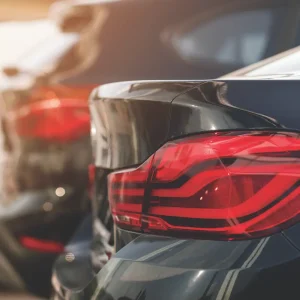
Vauxhall Mokka Electric
When it first arrived in 2021, the second-generation Mokka marked a clear step forward from its much-maligned predecessor and marked the debut of the brand’s ‘Vizor’ design treatment. Now, the time has come for this small SUV to receive a mid-life update, with design changes including a new LED light signature and front bumper, and the removal of all chrome trim.
Following the facelift, the Mokka comes as standard with a 10in driver display and 10in touchscreen. The driver display shows a helpful range of information including smartphone sat-nav instructions, while the infotainment screen is nicely responsive, and angled towards the driver with helpful shortcut buttons underneath. Beneath these are physical ventilation controls, which are useful, although a bit on the small side.
Rear seat legroom for adults is OK at best, with a footwell edge that slopes forward away from the seat a further restriction. Headroom though is pretty good, and there are USB ports back there (from the GS grade up), although no air vents.
A 310-litre boot is smaller than is typical for the segment.
The Mokka Electric comes with a 156hp electric motor and a 54kWh battery, allowing an official range of up to 250 miles on the WLTP cycle (a previous 136hp, 50kWh option has been dropped with the facelift). The 156hp motor delivers enjoyably punchy acceleration in silence, without even the faint electric whining noise you sometimes get with EVs – although wind and especially road noise is fairly noticeable at motorway speeds.
As part of the facelift, Vauxhall says adjustments have been made to the tuning of the dampers and steering. For an EV, the Mokka feels remarkably light on its feet – willing and responsive in corners, and able to skip over bumps in the road without major impacts, especially out of town.
The steering is light, which is a boon during urban driving, yet without lacking accuracy at higher speeds. We would however like more feel to the brake pedal, which can be tricky to modulate.
Despite Vauxhall making much of price cuts with the Mokka Electric facelift, it is one of the more expensive to buy of the four cars we’re looking at here. It boasts one of the longest ranges, and middle of the road fuel cost. However, it has the weakest expected residual values, and the highest depreciation, so despite the facelift, the Mokka finishes in fourth place here.
| Model | Vauxhall Mokka GS 115kW 156hp |
| P11D | £35,040 |
| CO2 (tax) | 0g/km (3%) |
| BIK 20/40% a month | £18/£35 |
| Range | 250 miles |
| National Insurance | £145 |
| First year VED | £10 |
| Subsequent VED | £195 |
| Battery size/power | 54kWh/150hp |
| AFR | 7p |
| Residual value | 39% |
| Depreciation | £21,538 |
| Fuel costs | £3,337 |
| SMR | £2,052 |
| Cost per mile | 44.88p |
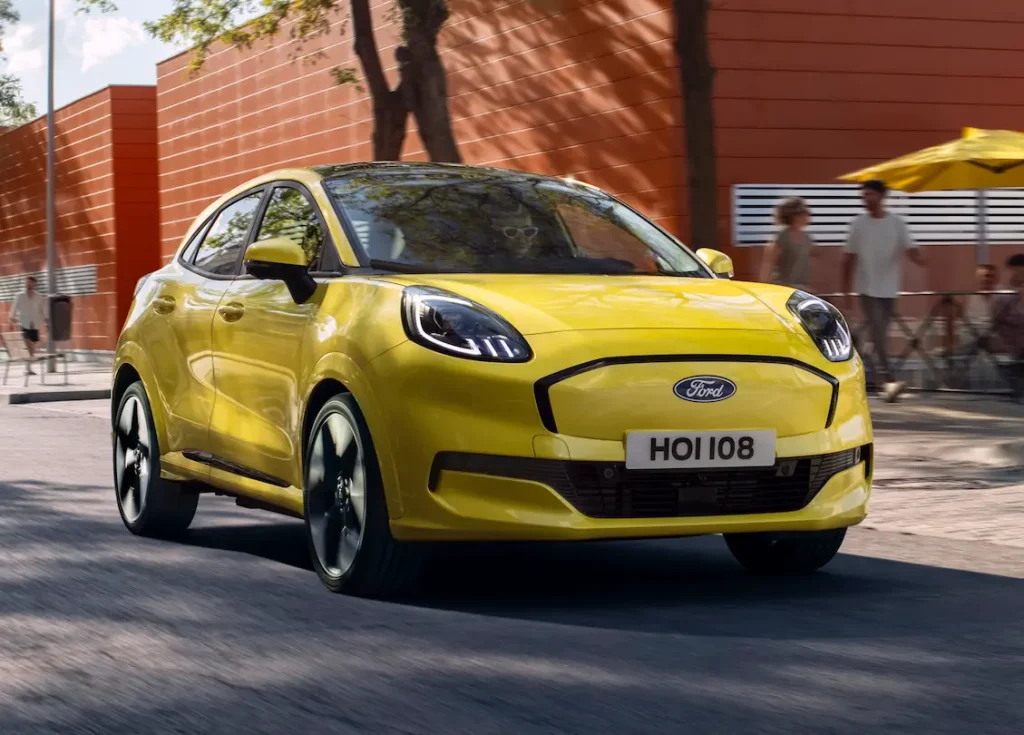
Ford Puma Gen-E
Ford’s baby crossover isn’t as new as it was, but that hasn’t stopped it from being the best-selling car in the UK for the past two-years, and it’s also a past Business Car Award winner. Now, after a light facelift last year, Ford is now offering the Puma as an EV.
Like the Mokka Electric, the Puma Gen-E is only available with a single powertrain, with a 53kWh battery, of which only 43kWh is usable. This is rather small by comparison to the others here. As a result, our top-spec Premium equipment grade has the lowest EV range of the group.
The Ford is the second cheapest, resulting in the second lowest National Insurance, and second lowest depreciation figures. It also has the lowest SMR figure, by a slim margin ahead of the Peugeot. It’s a strong overall performance that places the Ford a close second in this comparison to the winning MG.
| Model | Ford Puma Gen-E Premium 53kWh |
| P11D | £31,940 |
| CO2 (tax) | 0g/km (3%) |
| BIK 20/40% a month | £16/£32 |
| Range | 233 miles |
| National Insurance | £132 |
| First year VED | £10 |
| Subsequent VED | £195 |
| Battery size/power | 53kWh/166hp |
| AFR | 7p |
| Residual value | 48% |
| Depreciation | £16,584 |
| Fuel costs | £2,937 |
| SMR | £1,662 |
| Cost per mile | 35.30p |
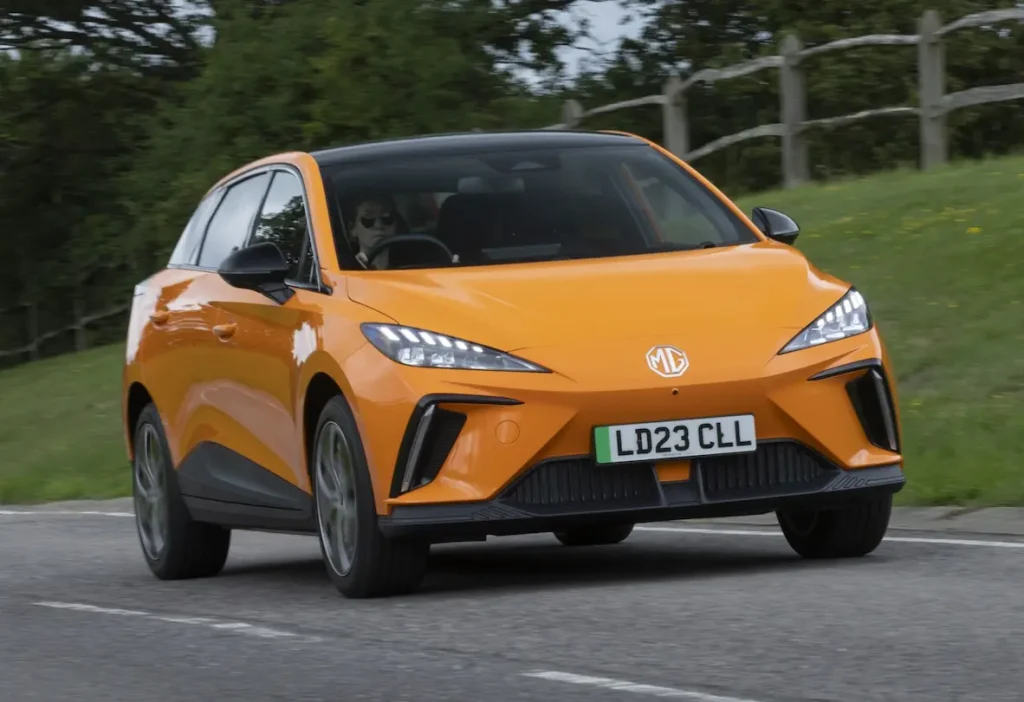
MG4
Our 2023 Business Car of the Year still looks good two-years on! There might be a lot more on UK roads, but its sharp exterior design still looks distinctive.
Inside, we wish the MG4 felt a bit more special. However, the horizontal dashboard design, with the two screens – one for the instruments and the other for the infotainment, works well enough – although we wish the operating system was simpler. The driving position is comfortable even for the tallest – although rear space is tighter, but boot space at 363 litres is reasonable.
In SE Long Range spec, at £29,430, it’s the cheapest car here. The MG4 boasts the second-best residuals, and the lowest depreciation of the group – which bodes well for the future. Considering this, it’s not surprising it finishes in first place, just ahead of the Ford, as it’s such a high-value package – despite having the highest fuel costs.
| Model | MG4 SE Long Range |
| P11D | £29,430 |
| CO2 (tax) | 0g/km (3%) |
| BIK 20/40% a month | £15/£29 |
| Range | 281 miles |
| National Insurance | £122 |
| First year VED | £10 |
| Subsequent VED | £195 |
| Battery size/power | 64kWh/203hp |
| AFR | 7p |
| Residual value | 46% |
| Depreciation | £15,930 |
| Fuel costs | £3,394 |
| SMR | £1,808 |
| Cost per mile | 35.22p |
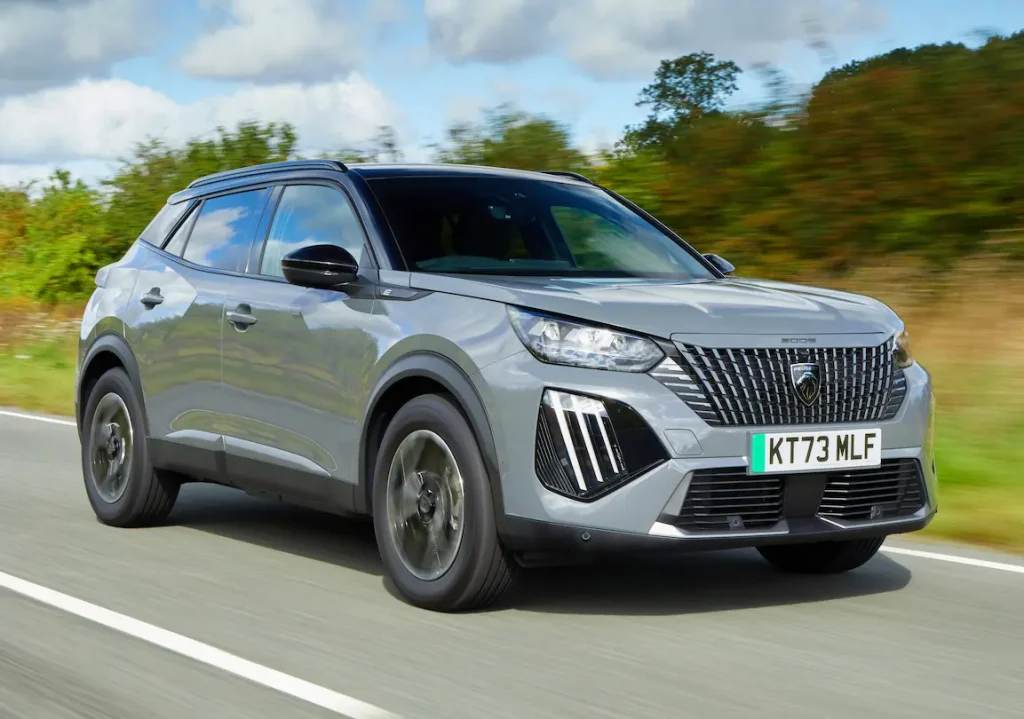
Peugeot E-2008
Like the Ford Puma Gen-E, the electric version of the Peugeot 2008 is hard to tell from the ICE-powered version. In fact, we’d go as far as to say it’s the complete opposite to the MG4, so it could be the perfect choice for those who want to go electric, but not attract attention.
The E-2008, like the Vauxhall Mokka, is powered by a 54kWh battery, and a 156hp electric motor. This is capable of a 0-62mph acceleration time of 9.6 seconds and has the range of 248 miles.
It’s one of the oldest designs here, yet the Peugeot is a refined drive, with a comfortable and smart interior, and is decently efficient,
Peugeots generally perform well when it comes to residuals and depreciation, but the E-2008 is pushed into third place here, by the Ford and MG. The E-2008 might boast the second lowest fuel cost and SMR figures, but it’s not enough to change the result, as this Peugeot finishes in third place, with the Vauxhall just behind.
| Model | Peugeot E-2008 GT 54kWh 156hp |
| P11D | £37,485 |
| CO2 (tax) | 0g/km (3%) |
| BIK 20/40% a month | £19/£38 |
| Range | 248 miles |
| National Insurance | £155 |
| First year VED | £10 |
| Subsequent VED | £195 |
| Battery size/power | 54kWh/136hp |
| AFR | 7p |
| Residual value | 43% |
| Depreciation | £21,486 |
| Fuel costs | £3,177 |
| SMR | £1,665 |
| Cost per mile | 43.88p |