A complete service history is more important than a battery health check for ex-fleet EVs entering the used market, it has been said.
Lorna McAtear, head of fleet for National Grid and vice chair of the Association of Fleet Professionals, said that this was due to the typical age of ex-fleet cars, and the nature of their manufacturer warranties.
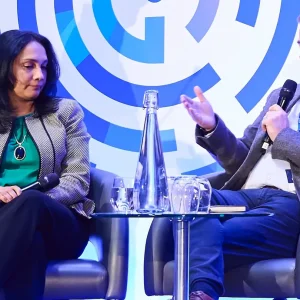
Asked about battery health checks during a panel discussion at the Vehicle Remarketing Association (VRA) Automotive Summit 2025, McAtear said: “I’ll give you two viewpoints. One: it’s a waste of time. Two: actually, it’s needed for consumer confidence.
“The reason I say it’s a waste of time is there’s an eight-year [battery] warranty on a brand-new vehicle. Most vehicles that come into the second-hand market the first time round will be in that two-year, three-year, four-year, five-year category, so you still have a warranty on that battery.
“What’s critical, though, is the service history, and it’s probably even more critical now than it ever has been, because a lot of the OEMs have got some small tiny fine print that kind of says, unless you’ve done this or unless you’ve done that or unless you’ve done this, they’re wriggling out of the warranties on those batteries. So that’s the thing that you need to consider, because it’s all about how that servicing has been done to make sure that traction battery is still operable in the way that it should be.”
McAtear added that battery health checks had more value regarding consumer confidence in older vehicles.
She said: “The way the press and everybody else really damaged all that consumer confidence, having something that says yes, you’ve still got 70% on that battery after seven years, actually it’s really going to be worth doing. But a lot of it’s now communication and understanding.”
McAtear was joined on the panel by Motability Operations head of sales, marketing and digital solutions Craig Ford, who added on battery checks: “I think on a three-year-old car it’s not required. We’ve sold 10,000 of them with our battery protection and we’ve had one return, so that is if you buy a car and it comes back under 90% battery [capacity], we’ll take it back. In the younger vehicles I don’t think battery health is really an issue.”
Ford added that he was positive about the prospects for electric car remarketing in 2026, citing stabilisation in values seen this year, and increased interest from independent dealers.
The panel was also joined by Arval head of B2B and partnerships Stuart Chamberlain, who also offered positive notes on the used EV market, including increased demand, with EVs generally selling quicker than ICE vehicles, and a wider range of affordable cars for buyers to choose from. However, he warned government policy could cause problems.
He said: “The Electric Car Grant is great for new cars. But for used cars, it in another kick in the teeth, isn’t it? The new car gets cheaper, but it just puts more pressure on the used market again.
“We as leasing companies are actually bankrolling the move to EVs because we’re buying the high list prices and then we’re watching the government take away all the incentives to buy them used, and we’ll swallow the depreciation on those cars, which for many in the leasing sector has been quite a lot recently.”