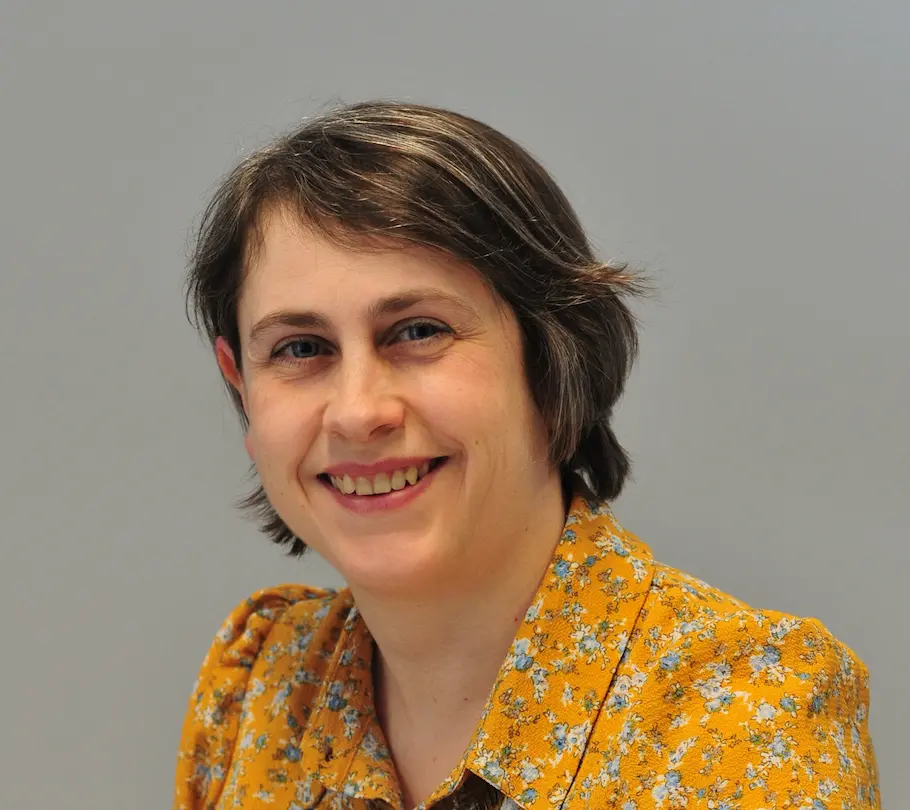
When Denise Hawkins started her first foray into fleet at ABM back in 2013, she had no idea she was about to fall into a role that would define her professional life. Hired into a broad finance and administration position covering everything from fleet and mobile phones to credit cards, she quickly discovered that fleet management was where her passion – and talent – lay. Within just three months, the fleet had tripled in size, and before long, fleet became her sole focus. Her journey from finance generalist to fleet specialist reflects both a personal passion and a growing recognition that fleet management is a career – and an industry – all of its own. “I was hooked straight away,” Hawkins recalls. “It was so different, so varied, and so hands-on. It was a bit of a baptism of fire, but I loved it.” Learning on the job, leveraging supplier knowledge, attending industry events, and soaking up every bit of experience like a sponge, she carved a path into a career that few actively plan for – most stumble into it from finance, HR, or a technical background, just like her.
Three-and-a-half years ago, Hawkins brought that same drive and curiosity for fleet to Stannah, stepping into a role that had never before existed within the company: dedicated fleet manager. With no precedent to follow, it was a steep learning curve, but an immediate culture fit. “From the first meeting I had with anyone at Stannah I knew it was the right job for myself, and despite the fact it is a big and international company, it’s still a family-run company with family values that really care about the business and employees.”
Today, Hawkins manages a fleet of around 800 vehicles, including around 100 grey fleet cars and 200 company cars – the rest are mainly LCVs with a small number of HGVs. Hawkins is supported by a small team of administrators and a network of outsourced providers handling servicing, breakdowns, and repairs. “I have two members of staff who run the day-to-day fleet administration and speak to the drivers directly, and the outsourced companies we use for breakdown, maintenance, and repairs, and an auditing and compliance administrator who will be starting very shortly.
“It’s a diverse, busy fleet,” she says. “Our engineers are out on the road 24/7, often responding to emergencies, so vehicles must be ready at all times. No two days are the same, and that’s what makes the role so interesting.”
Compliance and culture
For Hawkins, compliance and safety are non-negotiables. A robust system is in place to handle driver licence checks, vehicle risk assessments, and maintenance scheduling. Uniquely, even the company’s grey fleet – personal vehicles used for business – is integrated into the same processes and risk management system.
“Grey fleet drivers complete the same checks via our app, so whether it’s a company van or a personal car, we’re managing risk in the same way,” she explains. “It all comes back to making sure the right data is captured and recorded properly.”
Hawkins’ reliance on data has grown year-on-year. “I’ve always been quite process-driven,” she says. “One of my first tasks was overhauling policies and procedures and looking at how we could automate as much as possible. Anywhere you can remove duplication and manual handling, you reduce risk and increase efficiency.”
Data: From admin to insight
Like many modern fleet leaders, Hawkins has embraced data not just for compliance, but for strategic decision-making.
“The amount of data we now have is immense – telematics, mileage, licence details, driver behaviour. The challenge is to use it properly,” she says. “It’s easy to collect data and let it sit there. But unless you analyse it, you risk missing problems or opportunities.”
That’s where the new auditing and compliance administrator role comes in. “This person will be responsible for making sure the data is correctly recorded in all of our systems and ensuring everything matches and lines up, as it’s so important.”
Stannah’s vans all have telematics, so the fleet team can monitor driver behaviour, fuel use, and trends that inform broader operational and financial decisions.
“We can see patterns emerging and feed them back to drivers. It’s about supporting them to be safer and more efficient, not catching people out,” Hawkins explains. “Even if their surname is Stannah, we input their data to ensure everyone is driving as safely and having their vehicle checked regularly.”
Hawkins adds: “In the 13 years I’ve been in fleet, data has been growing exponentially. You never want to run the risk of having data there just for the sake of it, not really using it, or having the data there but you ignore it and something bad happens. I am a big fan of data, what it can do and what possibilities it can bring about.”
This data is also proving crucial in the company’s gradual electrification strategy.
Electrification: Careful but committed
While Hawkins is keen to drive the transition, the practicalities of an engineering-led fleet present unique challenges. Although a significant portion of Stannah’s emissions stems from its manufacturing operations, fleet is a large proportion too, and while electrification is progressing rapidly for cars, viable options for vans remain more limited.
“For cars, the transition is already well underway. Each renewal is going electric unless there’s a very strong case not to,” Hawkins says. “But vans are more difficult. Our engineers carry tools and parts, and they’re on the road all day, often with very short response times. Range and charging infrastructure just aren’t quite there yet.”
That said, Hawkins is committed to pushing forward where possible. Stannah has begun trialling electric vans and installing office charging solutions for drivers.
“It helps when we can show the savings,” she says. “Drivers who’ve made the switch are generally very happy – the comfort, the quietness, the heated seats and steering wheels – they don’t want to go back.”
Building for the future
Since taking on the role, Hawkins has focused on laying solid foundations: efficient processes, robust compliance, and a culture of continuous improvement. The next phase is about looking ahead – balancing operational needs with sustainability goals.
“Our strategy is a long-term one, maybe eight years in total, but it’s important we keep progressing, even if it’s gradual,” she says. “We’re working closely with our sustainability team to map out realistic steps, so we don’t push too hard, too fast, but we also don’t fall behind.”
A procurement review is also on the horizon, as Hawkins looks to ensure the systems and suppliers Stannah uses remain the best fit for the future.
Ultimately, she says, the role of the fleet manager is changing. “It’s not just about vehicles anymore. It’s about data, people, processes, and sustainability. Every decision has to balance safety, cost, and carbon. It’s challenging, but it’s also what makes the role so rewarding.”
Adapting to growth
With its large and growing fleet, Hawkins has had to scale Stannah’s processes and systems quickly. “We now have a centralised data system that tracks everything from licence compliance to service schedules, telematics, and driver behaviour. Without that, it would be impossible to manage a fleet of this size.”
She also notes the human side of fleet management. “Our engineers are our eyes and ears on the road. Engaging them and making sure they understand the why behind our policies is critical. It’s not about enforcing rules – it’s about safety, efficiency, and support.”
The telemetry revolution
Stannah’s approach to telematics highlights the evolving nature of fleet leadership.
“Fifteen years ago, you wouldn’t have dreamed of equipping every vehicle with telematics,” Hawkins says. “Now, it’s standard. We track everything from mileage to harsh braking events. But it’s not just about policing drivers – it’s about identifying opportunities to improve safety and efficiency.”
Hawkins adds that telematics data also supports electrification decisions. “We can see which routes are suitable for electric vans, which drivers need more charging options, and where we might need infrastructure upgrades. It gives us a fact-based approach rather than guessing.”
Balancing cost and carbon
Electrification remains a balancing act. While cars are moving to fully electric as they renew, van adoption is slower due to operational constraints. Hawkins says the key is careful planning.
“Range anxiety is real for our engineers. Many are on the road 24/7, and a missed job is not acceptable,” she says. “So we trial vehicles where we can, monitor results, and scale gradually. It’s about being responsible and practical.”
Financial analysis is central to these decisions. “EVs can be more expensive upfront, but if you look at whole-life costs – fuel, maintenance, tax benefits – they’re viable. Convincing stakeholders takes evidence, not just enthusiasm,” Hawkins explains.
Lessons learned
Reflecting on her time at Stannah, Hawkins says the biggest lessons have been about systems, people, and patience.
“I’m a bit of a data nerd and I love reporting, analysing, and making improvements from pulling that data,” she says. “When I started, I revamped everything with fresh eyes – policies, risk assessments, data management, and telematics. That foundation has allowed us to grow efficiently and safely.”
Hawkins also notes the importance of culture. “Fleet management isn’t just about vehicles; it’s about the people who drive them. Engaging, educating, and supporting them is as important as any process or piece of technology.”
Looking ahead
Hawkins’ long-term plan is ambitious but measured. Over the next eight years, Stannah will continue electrifying its fleet, scaling data-driven decision-making, and reviewing procurement and operational processes.
“Slow and steady wins the race,” she says. “We’re building a resilient, efficient fleet that can support the business now and in the future. It’s about balancing safety, sustainability, and cost – every single day.”
She concludes with a reflection on how the role has evolved. “Fleet management used to be about vehicles, licences, and maintenance. Now, it’s about analytics, sustainability, and people. It’s a multifaceted, strategic role, and that’s what makes it so rewarding.”