4th Report: Let the sunshine in?
A major recent trend in car interior design has, perhaps unexpectedly, concerned sunroofs. Where for as long as I can remember a cover has been provided to slide across and shade the interior from the sun’s rays, in order to prevent the car from becoming a greenhouse when parked outside all day, manufacturers have decided that this cover can now be omitted, thanks to clever treatments to the glass itself keeping the heat out. I’d been hoping to test these manufacturers claims for a while, and an ideal opportunity presented itself on a sunny day a few weeks ago, at the tail-end of summer, when my long-term C-HR, with its cover-free sunroof, was parked next to my dad’s 2021 Kia Proceed, with traditional sunroof cover in place, for several hours. I’ve been particularly keen to test the C-HR, since while my previous long-term Renault Symbioz had a clever system that allowed the sunroof glass to be electronically switched between transparency and opacity, the Toyota is instead said to feature ‘low-emissive and infra-red reducing coatings’ which are less evident to the naked eye.
I’m not going to claim any great scientific methodology for my experiment – I simply placed a thermometer in each car and monitored the readings. When I started the test in early afternoon, the readings were 25.8C in the Toyota, and 25.4C in the Kia. Just over an hour later, to my surprise it was the Kia, with its traditional sunroof cover, that had become hotter, at 26.8C versus 24.7C. Then, when I finished the test in the early evening, the Kia’s interior was at 25.1C against 24.1C in the Toyota.
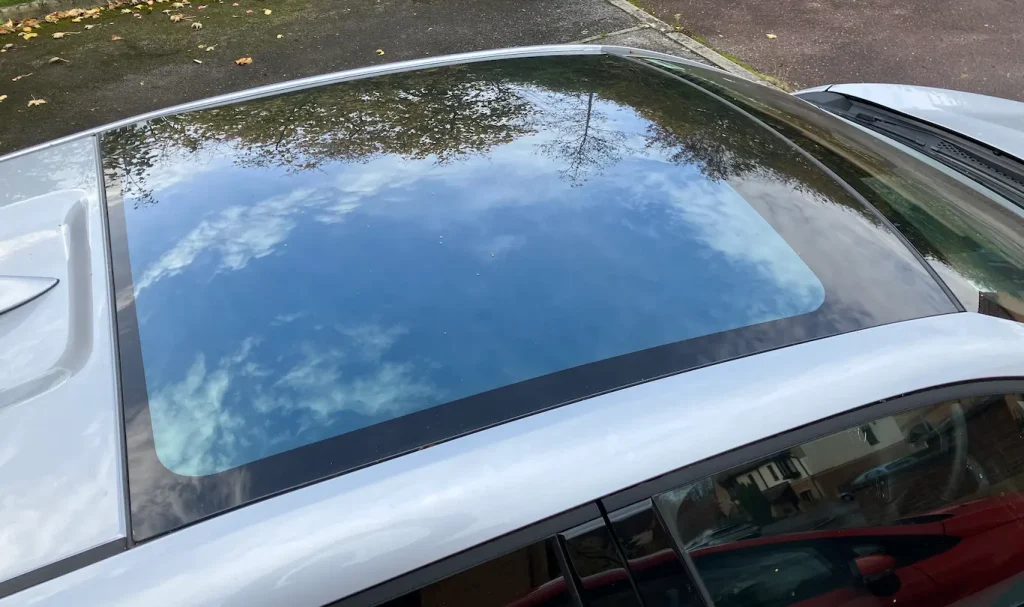
Now, I’m not convinced that these results mean the Toyota’s roof is necessarily better – part of the explanation may come from how much sunlight was being let in each car’s side windows as the sun moved across the sky during the afternoon. However, what I think the experiment does show is that my fears of the Toyota’s roof being a marketing gimmick that would lead to scorching internal temperatures have been completely disproved, and that the modern roof system is at least as good as the traditional one.
But what’s the reason behind these cover-less roofs anyway? Well, one justification is increased space, since car reviewers like me often complain that sunroofs eat into rear headroom, and by omitting the cover a crucial extra couple of centimetres can be provided. You’d think this would be potentially crucial for a car such as the C-HR, with its swooping, coupe-inspired roofline – but in fact it’s immaterial, given that the sunroof ends forward of where rear passengers’ heads will be anyway (incidentally the level of headroom on offer is reasonable). Still, I suppose a basketball-playing driver might benefit.
The other reason given for this roof set-up is saving weight, which is always welcome in a car, from the point of view of both driving dynamics and fuel economy – and as noted in my previous report, the latter is an aspect at which the C-HR has impressed. However, if you’d rather not bother about any of this, it should be noted that the sunroof is a £600 option with our Design-grade test car, which could obviously be done without if preferred.
| Model | Toyota C-HR PHEV Design |
| P11D price | £39,175 |
| As tested | £40,430 |
| Official consumption | 353.1mpg |
| Our average consumption | 54.8mpg |
| Mileage | 3,599 |
3rd Report: Frugal PHEV
As long-time Business Car readers may recall, I do not personally have EV charging facilities at home, which is something I often need to bring up and apologise for when running plug-in hybrids such as the Toyota C-HR I have currently. However, the evidence so far from this test is that the Toyota is performing rather better in these circumstances than might have been expected.
The conventional wisdom is that plug-in hybrids run without being plugged in are inefficient, because the car is carrying around a much bigger and heavier battery than would be found with a conventional hybrid for effectively no reason.
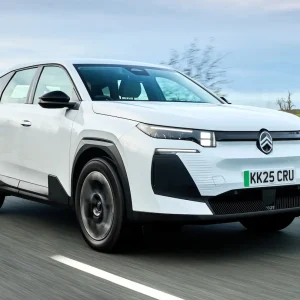
This is also backed up by some personal experience – the Vauxhall Astra plug-in hybrid hatchback I ran a couple of years ago averaged 47mpg during the test period, and the Citroen C5 Aircross plug-in hybrid SUV I ran before that averaged 38.8mpg.
More recently, I’ve run a conventional hybrid Toyota Yaris supermini which averaged 62.5mpg, and a conventional hybrid Renault Symbioz SUV which averaged 51.9mpg.
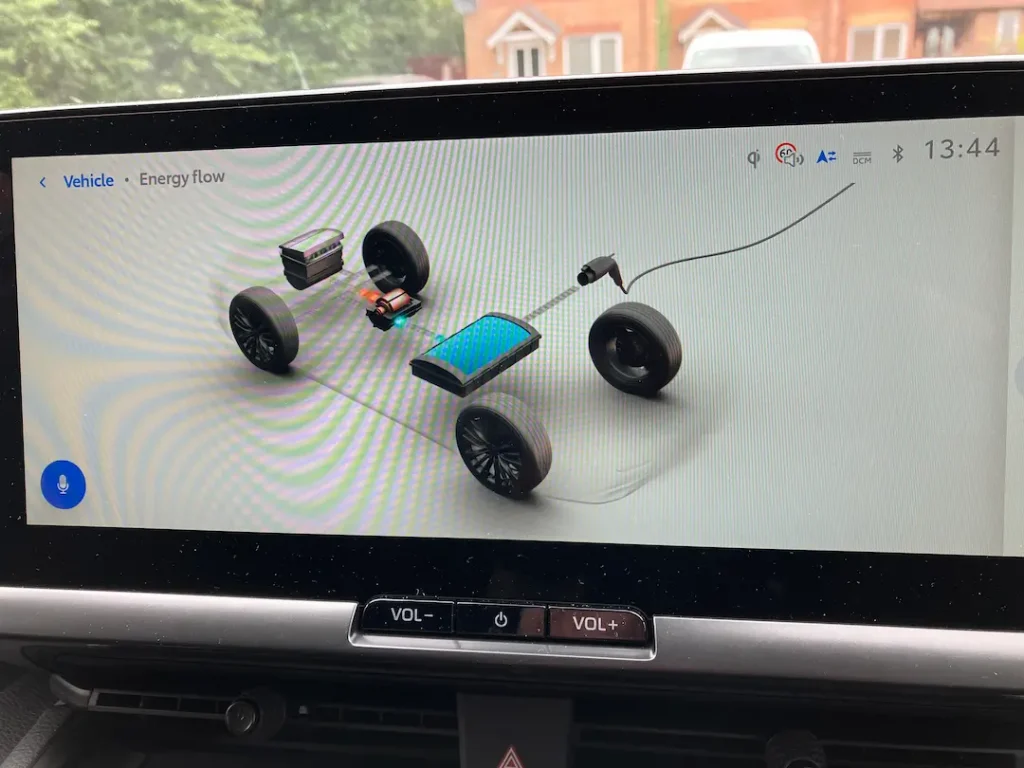
Given this context, I was expecting the C-HR, as a model slightly smaller than the C-SUV norm, to average somewhere between the figures I got from the Citroen and the Vauxhall. In fact, I’ve been pleasantly surprised to find that over the course of this test so far, the C-HR has averaged 57.1mpg, putting it not only way ahead of my previous plug-in hybrids, but also a decent chunk ahead of the conventional hybrid Symbioz – a highly impressive achievement by the Toyota
Of course, this is still way off the C-HR’s official WLTP economy figure of 353.1mpg, which it is true to say there is no hope of getting anywhere near without regularly plugging the car in. But it does suggest that Toyota’s central technical claim for its plug-in hybrid powertrain – that its clutch-less dual motor system, by virtue of eliminating friction and wear, allows it to use “significantly less fuel” when running in conventional hybrid mode compared with most other plug-in hybrids – is valid.
It’s worth acknowledging at this point that a vehicle’s fuel economy is not only down to its powertrain. Aerodynamic efficiency plays a part too, and a couple of design elements of the C-HR meant to aid this are potentially controversial. One of these is the lack of a rear windscreen wiper. In its press material for the car, Toyota claims that the angle of the screen allows water drops to slide away unaided.

Frankly, this doesn’t tally with my experience – I definitely feel the absence of a wiper to clear the water when driving in rain. Also, having no rear wiper also means no rear windscreen washer, meaning dirt and grime that accumulates there has to be cleaned manually.
Another aerodynamic element is door handles which retract into the doors while the car is driving. These I haven’t found as troubling as the lack of a rear wiper, since they seem better designed than some others I’ve come across, with less risk of snagging fingers. However, I have seen some confusion from passengers being picked up from the side of the road when they remain retracted – and you do also have to get used to a loud clunking sound shortly after pulling away when the handles return to their retracted position.
| Model | Toyota C-HR PHEV Design |
| P11D price | £39,175 |
| As tested | £40,430 |
| Official consumption | 353.1mpg |
| Our average consumption | 57.1mpg |
| Mileage | 2,342 |
2nd Report: Night lights
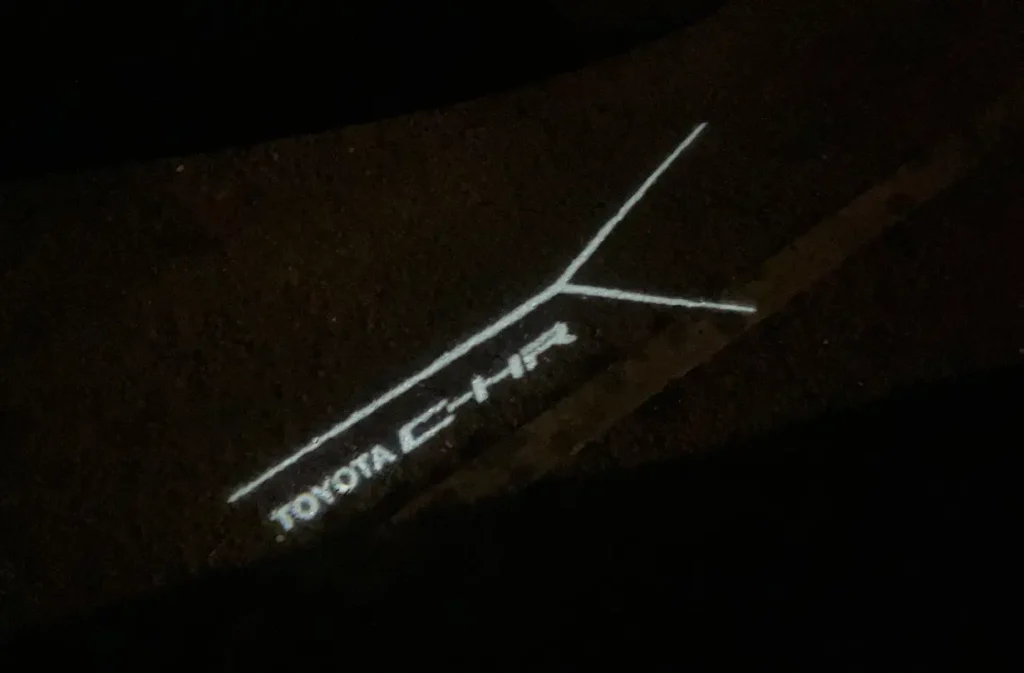
In my first report on the Toyota C-HR, I mentioned that it was not a car for the shy and retiring, due to its conspicuous styling. For those who don’t like the sound of that, I’m sorry to report that the C-HR remains capable of grabbing attention even once the design is obscured by nightfall. This is because of door mirror-mounted puddle lights which project a ‘Toyota C-HR’ logo onto the ground. This is a feature I remember having previously on a long-term test car with a Mini hatch, and somehow it felt more appropriate with that brand, which is more obviously fashionable and has more of an enthusiast base, than the Toyota, especially since this is essentially a family SUV rather than a typical ‘young person’s car’. But maybe I’m being unfair – as noted it’s certainly on-brand for the C-HR to stand out.
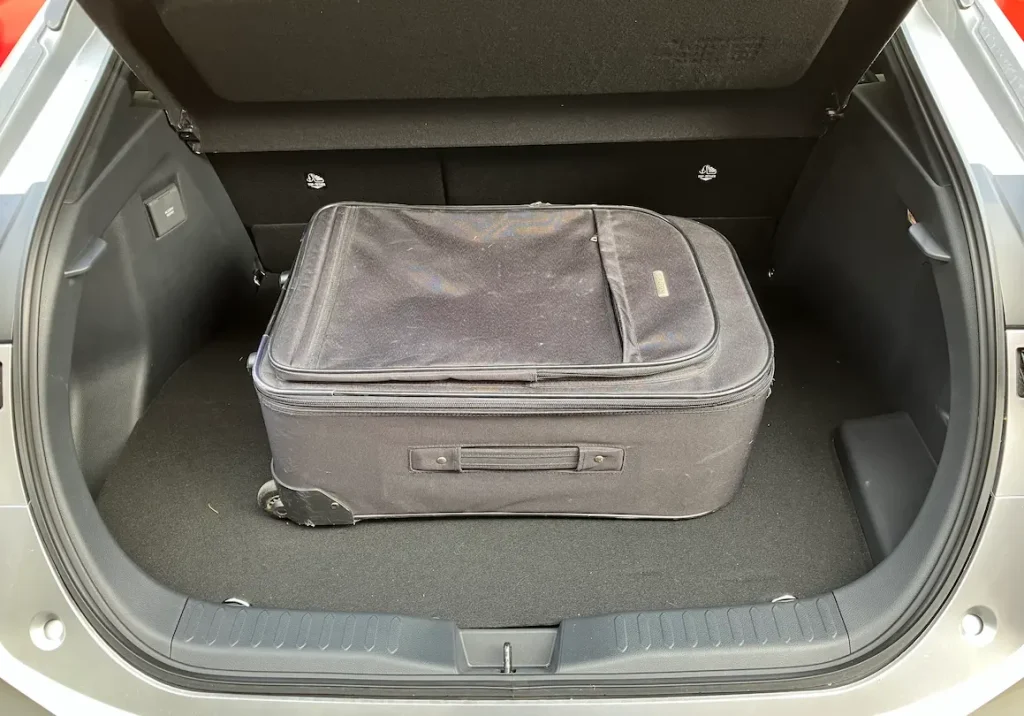
Another way in which the C-HR fights against the perhaps dowdy family SUV norm is with its coupe roofline – but does this have an impact on practicality? Well, in terms of boot space, I would say it does, at least when combined with the plug-in hybrid powertrain of our test car. The C-HR PHEV boasts a boot capacity with the rear seats in place of just 310 litres, which frankly is poor for a car of this size and type – only 24 litres more than I had with the Toyota Yaris supermini I ran last year, a model itself not exactly famed for its load lugging capabilities (conventional hybrid versions of the C-HR offer 364 litres or 388 litres depending on spec).
The relative lack of space in our C-HR’s boot manifests itself most obviously in the relatively shallow distance between the boot floor and the parcel shelf. This is yet to cause any major issues, but I do find items that fitted easily in previous long-termers can require a bit of thought and careful placement to avoid them catching on the parcel shelf and preventing the electric tailgate from closing.
Of course, where you would expect the C-HR to have a bigger capacity advantage over the Yaris is with the rear seats folded, and it does, at 1,076 litres versus the Yaris’s 947 – although the C-HR’s figure here for a vehicle of this size and type is still poky. Folding the rear seats does at least reveal a major practicality plus point for the C-HR, as they fold flat, meaning large items can be slid into place more easily, although the boot lip isn’t quite flat. There’s no adjustable boot floor either, though you do get a useful underfloor storage cubby for the charging cable. The boot also features a three-pin plug socket, a hybrid car benefit which I imagine could be useful if you wanted to take the car camping, for instance, although the ignition does have to be switched on for it to work (the power supply is activated by a button on the dashboard to the right of the steering wheel).
| Model | Toyota C-HR PHEV Design |
| P11D price | £39,175 |
| As tested | £40,430 |
| Official consumption | 353.1mpg |
| Our average consumption | 58.5mpg |
| Mileage | 1,420 |
1st Report: Attention!
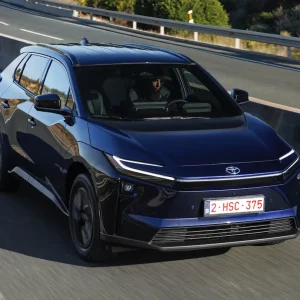
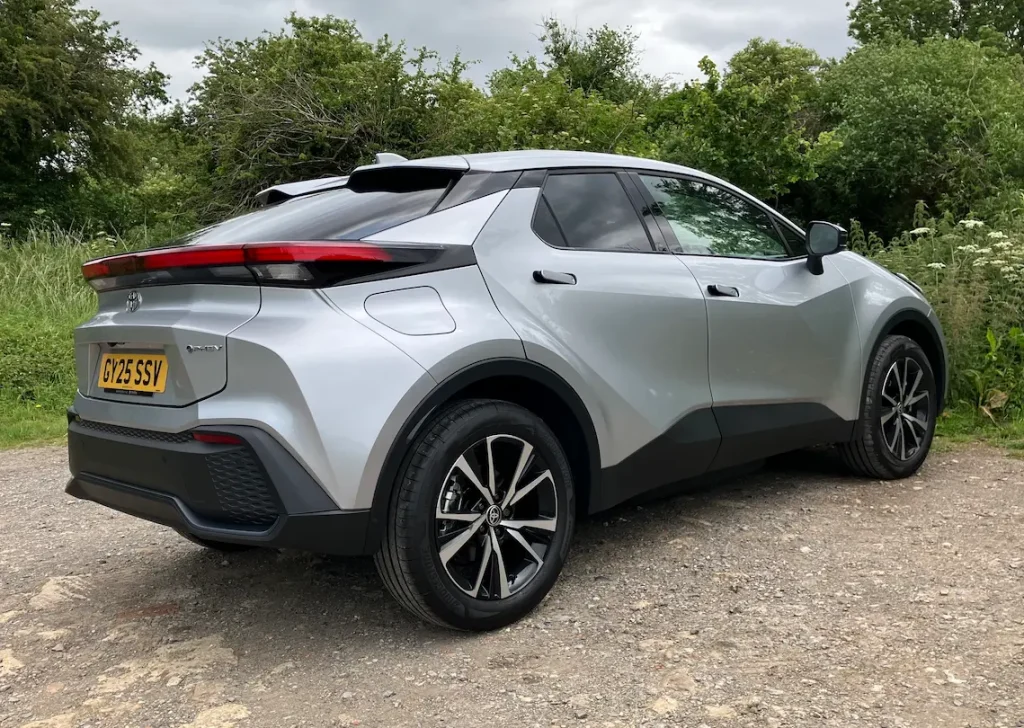
If you’re looking for a car to make a big first impression, you could do a lot worse than the Toyota C-HR. This SUV-coupe is in its second generation, and features bold angular styling, with what Toyota calls ‘diamond-cut character lines’, which makes it seem like a motor show concept car has escaped onto the road. Given just how many SUVs there are these days, efforts to stand out have to be applauded, and certainly from an aesthetic point of view I’m impressed with my latest long-termer. Though I do wonder, if someone dinged it in a car park, would I ever notice?
Our C-HR is a plug-in hybrid, which pairs a 2.0-litre petrol engine with an electric motor for a combined 223hp, while a 13.6kWh battery allows an EV-only range of up to 41 miles in official testing. Since I don’t have a home charger, it’s highly unlikely our C-HR will be getting anywhere near the official 353.1mpg fuel economy figure, but it might be interesting to see how it gets on compared with other plug-in hybrids I’ve run previously – Toyota does claim that its clutch-less dual motor system means the C-HR uses less fuel when running in hybrid mode compared with rival PHEVs.
The C-HR is also available with conventional hybrid powertrains, which would normally be more suitable for a charger-less driver – although these of course have far less attractive company car BIK tax rates.
Our car is specced in the Design equipment grade – one up from entry-level, and the lowest point in the range at which you can have a plug-in hybrid. Features include a pair of 12.3in screens running driving and infotainment functions, and a comprehensive ADAS offering.
The two options fitted to our C-HR are metallic paint (silver – perhaps Toyota thought the C-HR’s design would be exciting enough for us without a primary colour being added) and a panoramic roof, with the most notable aspect of the latter being that, as with the Renault Symbioz I ran previously, it lacks the internal cover traditionally fitted to stop the interior effectively becoming a greenhouse on hot days. Renault solves this problem with ‘Solarbay’ opacifying glass technology – Toyota instead says the glass features ‘low-emissive and infra-red reducing coatings’. The advantages are saving weight and increasing headroom – any disadvantages I expect to quickly become obvious given the hot summer we’re having in the UK.
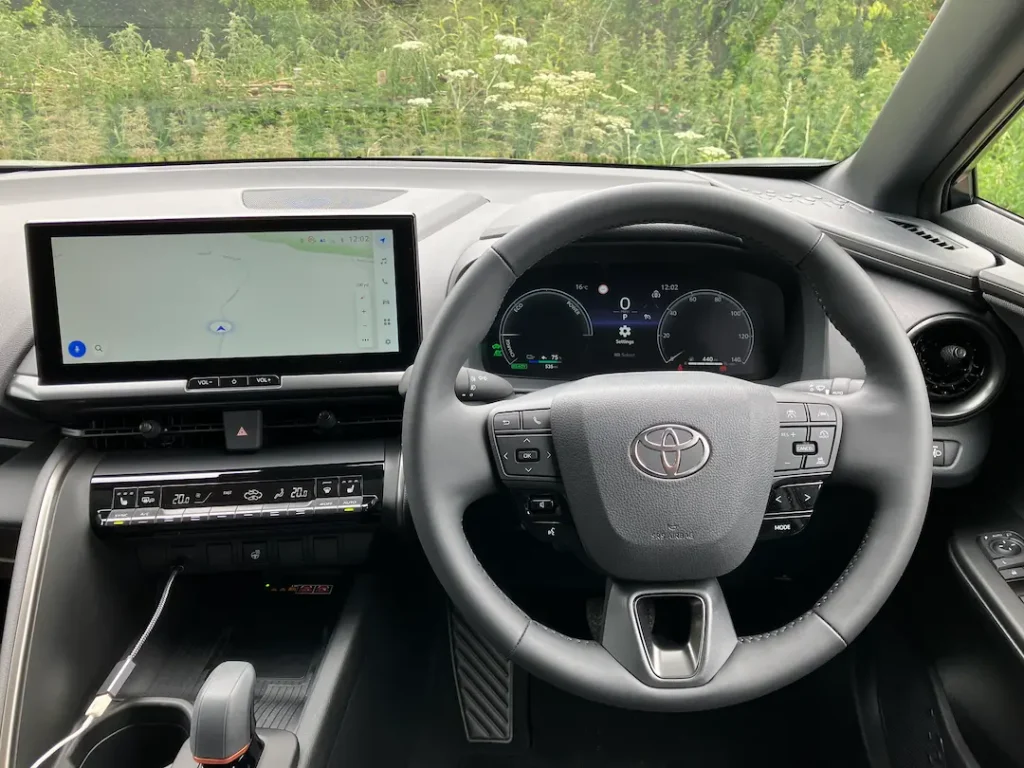
The C-HR is a second Toyota in fairly quick succession for me, since I ran a Yaris supermini for the second half of 2024. I’m disappointed to note that, as with the Yaris, turning off annoying speed limit change notifications in the C-HR requires scrolling through a menu on the driver display, via controls on the steering wheel, before every trip – I’m already missing my previous Symbioz’s simpler button-press solution for this.
Having brought up the Symbioz, I feel at this point it’s worth mentioning price. The C-HR is smaller than the Symbioz, and just one up from entry-level spec where the Symbioz was a range-topping model, and yet the Toyota is £6,000 more expensive on P11D. Just over £4,000 of that can be accounted for by the C-HR being plug-in, but it still means my first impression of the Toyota is that it’s a little pricey. I’ll be interested to see how many justifications for the cost of this car reveal themselves during the months and miles ahead.
| Model | Toyota C-HR PHEV Design |
| P11D price | £39,175 |
| As tested | £40,430 |
| Official consumption | 353.1mpg |
| Our average consumption | TBC |
| Mileage | 907 |
Standard equipment: 18in alloy wheels, LED headlights, fog lights, rear lights, and DRLs, electrically adjustable heated and folding door mirrors, rear privacy glass, 12.3in infotainment touchscreen, six-speaker audio system, auto-dimming rear-view mirror, heated front seats with driver seat lumbar support, dual-zone automatic air conditioning, Toyota Safety Sense package with over-the-air updates, front intelligent parking sensors with automatic braking, pre-collision system with intersection, pedestrian, cyclist and motorbike detection, safe exit assist, rear cross traffic alert with auto brake, blind spot monitor.
Options: Metallic paint (£655), panoramic roof (£600)